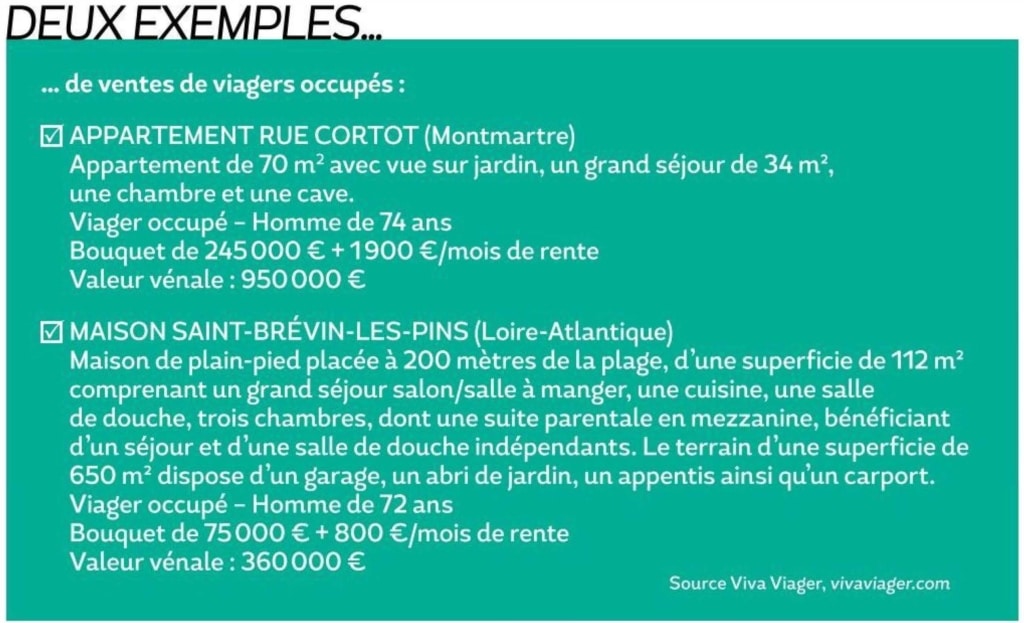
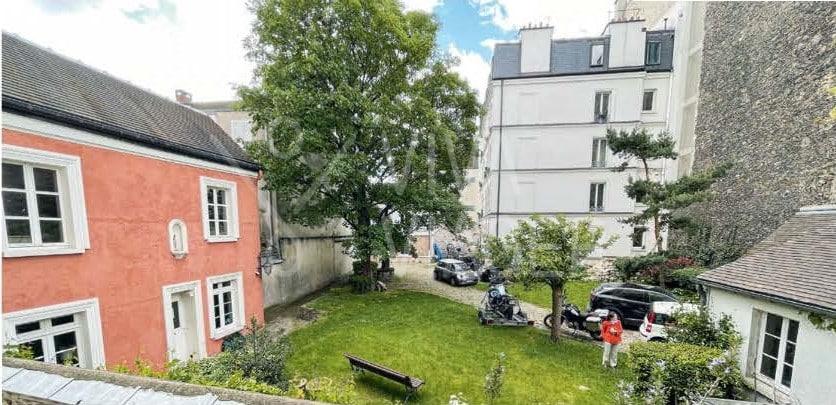
A viager life annuity sale consists of selling a property to an individual who, in exchange, pays a life annuity to the seller until their unpredictable passing. The division of property charges between seller and buyer varies depending on the type of viager and the contractual terms. Here is an overview of what you need to know before taking the step.
Article published in Maison & Travaux. By Alice Meige
What if our perspective on viager was beginning to change? With the population over 60 set to double by 2050, and many people already facing concerns about retirement and the accompanying drop in income, the viager life annuity is increasingly emerging as an effective answer to the financial needs of seniors. Nearly 5,000 transactions are completed each year within this framework—a figure growing by 5% annually. The viager real estate phenomenon may soon no longer be marginal. How does this type of transaction work? To understand the concept, property ownership must be broken down into three rights: the right to use the property (usus), the right to rent it out and collect income (fructus), and the right to dispose of it through sale or transfer (abusus). In most instances, these three rights reside with a single person, but they can also be divided among several parties. This is precisely what happens in a viager transaction, where the seller (the life annuity recipient, or “crédirentier”) transfers ownership to a buyer (the annuity payer, or “débirentier”) in exchange for an upfront lump-sum payment (the “bouquet”) and—though not mandatory—a life annuity. In the case of an occupied viager (the most common scenario), the seller remains in the residence for as long as they wish, and the buyer cannot use the property for occupancy, leasing, or resale until the seller vacates it.
For the Seller: An Additional Financial Resource
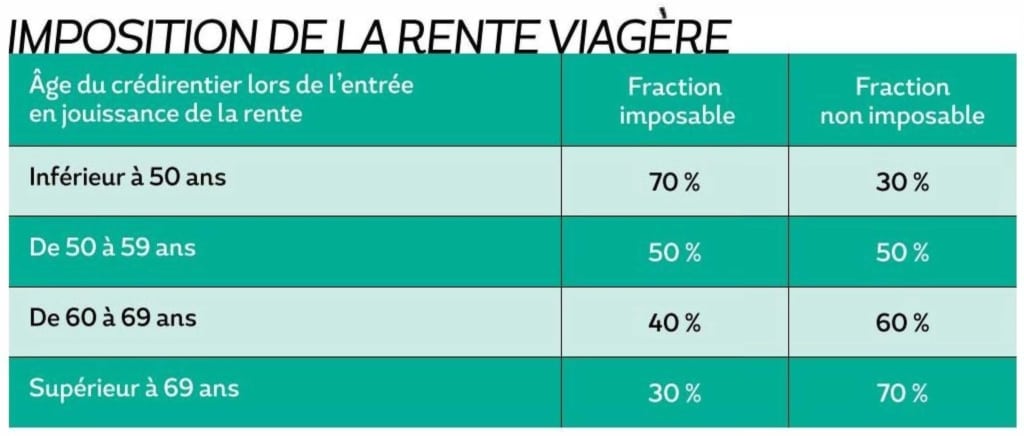
According to Reza Nakhaï, founder of Viva Viager, the arrangement offers significant benefits for both parties. For the seller, “seniors maintain their daily routines without disruption: they sign the deed at the notary’s office and return home. They can remain in their residence, which is often vital for them. In addition, they can choose between receiving an annuity to supplement their monthly income—resulting in a lower lump-sum bouquet—or a higher bouquet without an annuity, allowing them, for instance, to gift funds to their heirs,” guarantees on the annuity payments also ensure they remain fully protected. Furthermore, adds Reza Nakhaï, “while the seller retains the right of use and habitation throughout their lifetime, they may also choose to vacate the property during their life—for example, to move into a retirement home or simply relocate to a sunny destination. In that scenario, they simply surrender their right of habitation, allowing the buyer to occupy or rent out the property. In return, the monthly annuity is increased by 20% to 30%.” Another key advantage in an occupied viager transaction is that the seller is no longer responsible for paying property taxes or covering major structural repairs; they only remain responsible for their share of the residential occupancy tax, insurance covering tenant-related risks, and minor maintenance. Regarding the tax treatment of the transaction, if the property sold is the seller’s primary residence, the initial lump sum (bouquet) is fully exempt from tax. As for the annuity, only a portion is subject to income tax, calculated according to the seller’s age at the time of the sale (see table).
 Viager: The Buyer’s Perspective
 Viager: The Buyer’s Perspective
In practice, no one knows the ultimate purchase price that will be paid for the property, as viager transactions rest on the legal principle of aleatory contingency. To calculate the transaction values, which depend on the value of the property’s occupancy over the seller’s lifetime, professionals rely on an adjusted version of the Daubry scale. This framework incorporates INSEE mortality tables and accounts for factors such as age, gender, and marital status. The market value of the property is then determined, in an occupied viager, after deducting an occupancy discount. For example, for a property occupied by an 83-year-old woman with a life expectancy estimated at 10 years and a monthly annuity of €2,500, the calculation is 10 x 2,500 x 12, yielding a discount of approximately €300,000. In a viager sale, the actual purchase price paid remains below market value, enabling buyers to acquire real estate with a reduced initial capital outlay. Furthermore, the right of use and habitation (DUH) is not subject to taxation, and notary fees are lower. On the one hand, viager provides the assurance that the property will be well-maintained by the senior who continues caring for their home; on the other hand, the acquisition does not trigger additional rental taxation, since an occupied viager generates no taxable property income. For the buyer, the benefits are numerous: building a real estate portfolio, diversifying assets, and preparing for retirement. Consequently, many investors complete multiple transactions: “Our clientele includes expatriates and independent professionals who consistently invest in viager properties,” confirms Reza Nakhaï. Viager is increasingly recognized as a retirement planning asset, drawing significant interest from investment funds and life insurance asset managers alike.